
Types of Trauma
When you think, trauma, I bet you picture the emergency room in a hospital. Head injuries, blood, stuff like that. While that is definitely trauma, it’s not the only trauma dealt with in the therapy world. Generally speaking, mental health people speak of two types of trauma. One is, “big T” trauma, and the other is “little t” trauma. “Little t” is also known as “complex” trauma.
“Big T” Trauma
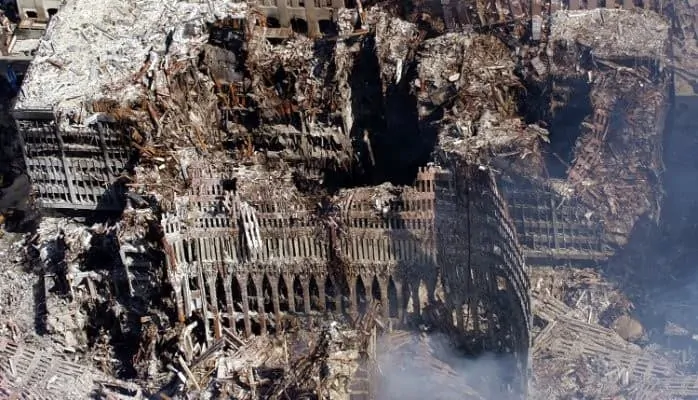
“Big T” trauma is one major event that can be recalled or that someone can tell you about. For instance, experiencing 9-11 in NYC, spending time in the theater of war, or incurring a severe physical injury.
It can also be something like being stuck in an elevator or a burning building. Likewise, a “big T” trauma can occur as a result of having watched someone get killed or maimed. Major surgery can even be experienced as a “big T” trauma.
Additionally, experiencing a life-threatening event like being robbed or being in a natural disaster can be experienced as “big T” trauma. Ultimately, any type of dramatic one-time, acute event that causes overwhelming fear of harm or death to oneself or someone else, especially someone close to you.
“Little t”, or Complex Trauma
On the other hand, “Little t”, or complex trauma is different. It is the experience of prolonged emotionally and/or physically distressful events. They are usually of an interpersonal nature. For example; sexual, physical, or emotional abuse, or the result of living for a prolonged period with war going on around you, or living in a community rife with violence. Additionally, these prolonged situation generally happen early in life, and in many instances, occur within a child’s caregiving system.
Why is it Called “Little t”?
The reason it is called “little t” trauma is that the events are generally not of the dramatic quality of “big T” trauma. They can be extreme, as in the case of obvious prolonged child abuse. However, they are generally everyday events like:
- getting yelled at
- smacked
- lied to
- manipulated
- betrayed
- having your emotional needs minimized
- being ignored
- other “normal” experiences of childhood
- a constant low-grade feeling of uncertainty about your physical safety due to environmental or social factors
Consequently, these habitual experiences often leave your nervous system in a constantly upregulated (action mode) state, that leaves you worked up and less able to relax, play, or learn.
We are Social Animals
Unfortunately, like all mammals, you are a social organism. Your caregivers’ job is to help you feel safe and relaxed. If they are the very people who leave you uncertain, uncomfortable, or frightened, you’re set up to struggle in relationships for life.
If they can’t help you understand that even though your neighborhood seems scary, you are actually safe, you’re set up to live with a worked-up state of mind and body for life. (Hello ADHD kids).
When that’s the case, you live with a legacy of being unable to settle down emotionally. And you’ll very likely have difficulty getting emotionally close to people for very long, if you are even able to get close at all.
You’re probably going to overreact to a lot of things. You’ll likely have insomnia or difficulty falling asleep easily or sleeping well. You’re probably going to have difficulty concentrating. Very little, if anything, is going to make you feel genuinely happy.
Ultimately, being chronically worked-up taxes your immune system. This will make you susceptible to illness and injury.
A positive self-image and high self-confidence will be almost impossible to maintain. And you are probably going to have difficulty managing your feelings.
How Complex Trauma Can Be Affecting You
Complex trauma is no joke. Living with chronic arousal that has its origins in the crucible of early life is rampant in our society. The fact is, you may be suffering from it at some level. Children are no exception. They need to be seen, safe, soothed, and secure, in order to develop positive self-regard and a functional emotional life.
When they get this, they are happy, easygoing, successful adults who can engage in committed and stable relationships. Sadly, our standard socialization process these days mostly produces “little t” trauma.
You may not be experiencing intrusive thoughts or images like someone with “big T” trauma.
But if you are suffering from any of the following symptoms, there is a huge chance your body is chronically worked-up and stuck in “action mode” rather than being able to downshift into “resting mode”.
Chronic stress (“little t” trauma) symptoms, include:
- Depression
- Anxiety
- Alcoholism
- Smoking habitually
- Obesity
- Heart disease
- Cancer
- Stroke
- Diabetes
- Liver disease
Generally, having a chronically worked-up nervous system is a leftover from childhood. This leaves your body chronically under the influence of action hormones often keeps your muscles constantly contracted in “defense.” As a result, you are not living your life to the fullest, and you you need to learn the secrets to downshifting into “resting mode.”
Want to live life to the fullest? Call me. We’ll talk.

Contact me now to set up for your free 15-minute phone consultation.